What a Professional Roof Inspection Covers and Why It Matters
A professional roof inspection assesses the condition of your roof, identifying issues that local contractors can address to protect your home and ensure safety.
Understanding what a professional roof inspection covers and why it matters is essential for property owners looking to protect their investment. Whether preparing for a sale, addressing concerns about recent weather damage, or simply maintaining the integrity of a home or commercial building, knowing the scope of a thorough roof inspection can help owners make informed decisions. Local contractors who specialize in roof inspections evaluate key components such as shingles, flashing, gutters, and underlying structures to identify issues that might not be immediately visible. This process provides peace of mind by pinpointing potential problems early, helping to prevent costly repairs down the line.
For property owners in the area, exploring this topic offers practical insights into how professional inspections can safeguard their properties. Regular inspections by experienced service providers can uncover hidden damage, assess the overall condition of the roof, and determine whether repairs or replacements are needed. Since roofs are vital for protecting interiors from the elements, ensuring they are in good shape is a smart, proactive step. Keep reading to learn more about what these inspections typically include and how local contractors can assist in maintaining a strong, durable roof that stands up to the demands of the local environment.
- Residential roof inspections are recommended when homeowners notice leaks, damage, or plan to sell, with local contractors thoroughly assessing roof conditions.
- Commercial roof inspections are essential for businesses facing roofing issues or routine maintenance, with service providers evaluating structural integrity and identifying potential problems.
- Post-storm roof assessments help property owners determine damage after severe weather, with local pros inspecting for wind, hail, or debris-related issues.
- Pre-purchase roof evaluations assist buyers in understanding the condition of a roof before a property transaction, with experts identifying repair needs or hidden damages.
- Routine roof inspections are advised for ongoing maintenance, with local contractors checking for wear and tear to extend roof lifespan and prevent future issues.
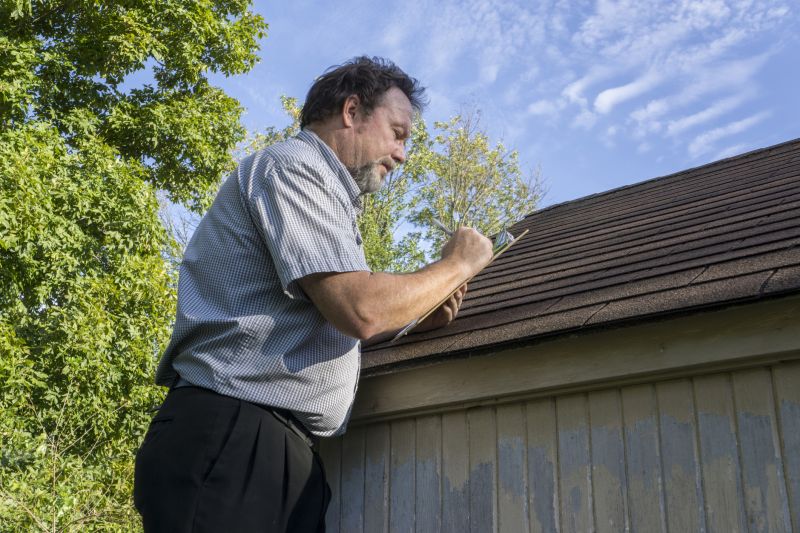

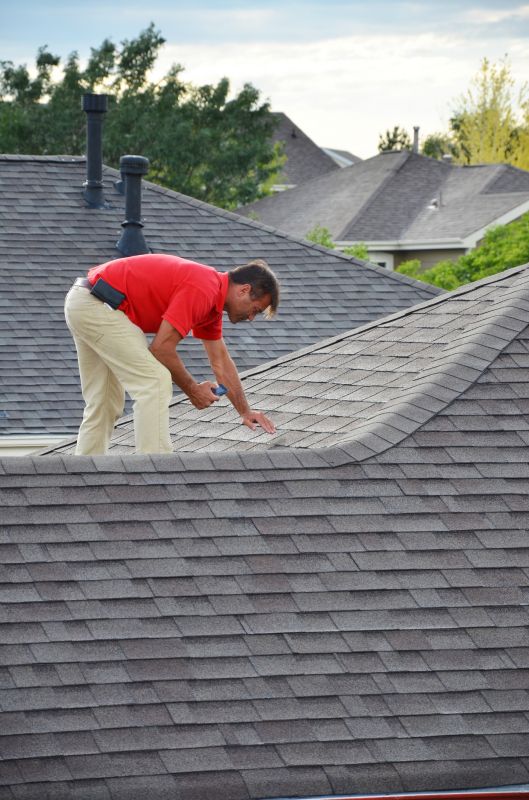
A professional roof inspection is a comprehensive assessment performed by experienced service providers to evaluate the overall condition of a roof. When people search for what a professional roof inspection covers and why it matters, they’re often interested in understanding the specific areas and components that are examined. Typically, this includes checking for visible damage like missing or broken shingles, signs of wear such as curling or blistering, and potential leaks or water intrusion points. Inspectors also assess the condition of flashing, vents, gutters, and downspouts, as well as the integrity of the roof’s structural elements. This thorough evaluation helps homeowners identify current issues and potential problems that could develop into costly repairs if left unaddressed.
The importance of a professional roof inspection extends beyond simply spotting damage. Many property owners seek inspections when planning major projects, such as roof replacements, or when buying or selling a property. These inspections can uncover underlying issues that might affect the value or safety of a home, such as hidden water damage, deteriorated decking, or compromised support structures. For homeowners with aging roofs, regular inspections serve as a proactive measure to catch minor problems early before they escalate into major repairs. Additionally, inspections are often part of routine maintenance, helping to prolong the lifespan of the roof and ensure it continues to protect the property effectively.
The types of properties that typically require professional roof inspections include residential homes, multi-family buildings, and commercial properties. Single-family houses are the most common, especially those that have experienced severe weather or are approaching the end of their expected lifespan. Multi-family complexes and apartment buildings also benefit from regular inspections to maintain safety and compliance standards. Commercial properties, such as offices or retail spaces, often have flat or low-slope roofs that require specialized evaluation for issues like ponding water or membrane damage. No matter the property type, a thorough roof inspection provides valuable insights into the roof’s condition and helps determine the best course of action for repairs, maintenance, or replacement.
Local service providers who perform professional roof inspections play a key role in helping homeowners and property managers understand the true state of their roofs. These experts bring practical knowledge of common issues related to local weather conditions and building styles, making their assessments accurate and relevant. By working with experienced inspectors, property owners can gain confidence in the condition of their roofs and make informed decisions about repairs or upgrades. Whether preparing for a sale, addressing visible damage, or planning routine maintenance, connecting with trusted local contractors ensures that the roof receives a detailed evaluation that covers all critical aspects, ultimately helping to protect the property’s value and safety.
Gutter and drainage system inspections - these projects require similar skills in assessing roof components and identifying potential water damage risks, making them relevant to roof inspection services.
Attic and ventilation assessments - evaluating attic spaces and ventilation systems involves planning and inspection techniques comparable to roof evaluations to ensure proper airflow and moisture control.
Chimney and flashing inspections - examining flashing and chimney connections shares similar planning and detailed visual assessments as roof inspections to prevent leaks and structural issues.
Roof repair and maintenance projects - these services often rely on the same inspection methods to identify problem areas and determine necessary repairs or upkeep strategies.
Storm damage assessments - evaluating damage after severe weather events involves inspecting roofing and related components with similar tools and planning approaches used in roof inspections.
Skylight and roof window evaluations - inspecting skylights and roof windows requires careful examination of seals and surrounding materials, paralleling the thoroughness of professional roof inspections.
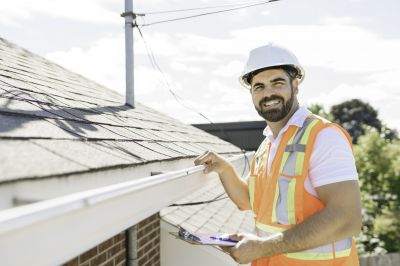
When comparing service providers for roof inspections, it’s important to consider their experience with similar projects. Homeowners should inquire about how long a contractor has been performing roof inspections and whether they have extensive familiarity with different roof types and common issues. An experienced contractor will typically have a thorough understanding of the specific components involved in a roof inspection and can identify potential problems that less experienced providers might overlook. This level of expertise helps ensure the inspection covers all critical areas, providing a comprehensive assessment that can inform necessary repairs or maintenance.
Clear, written expectations are essential when evaluating local contractors for roof inspection services. A reputable provider should be able to outline precisely what their inspection will include, such as checking for damage, wear, leaks, and other potential issues. Having this information in writing helps homeowners understand exactly what to expect and ensures there are no misunderstandings about the scope of work. Transparent communication about the process and what the inspection covers can also serve as a basis for comparing different providers and selecting a professional who aligns with specific needs.
Reputable references and good communication are key factors when selecting a service provider for roof inspections. Homeowners should seek out contractors with a track record of satisfied clients, which can often be verified through references or reviews. Additionally, a contractor’s ability to communicate clearly and promptly about the inspection process, findings, and next steps can make the experience smoother and more trustworthy. Effective communication ensures that homeowners are well-informed about what the inspection covers and why it matters, ultimately helping them make confident decisions about their roofing needs.
Property owners often search for what a professional roof inspection covers and why it matters when they are planning practical projects around their homes and businesses. Local pros provide Roof Inspection services for everyday jobs and straightforward project options.
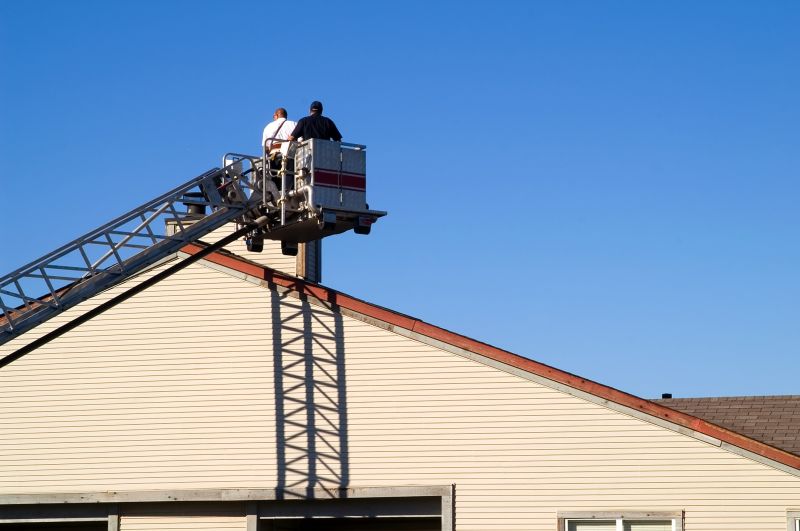

A professional roof inspection typically covers a thorough assessment of the roof’s overall condition, including checking for damaged or missing shingles, signs of water intrusion, and areas where wear and tear may be developing. Inspectors also examine flashing, gutters, and ventilation systems to ensure they are functioning properly and not contributing to potential issues. For property owners in the area, understanding what a roof inspection includes can help identify early signs of damage that might otherwise go unnoticed, especially after severe weather or seasonal changes.
Why it matters is because catching problems early can prevent costly repairs and extend the lifespan of a roof. Local contractors who specialize in roof inspections can provide detailed evaluations, giving property owners peace of mind and clear insights into the health of their roof. Regular inspections are a practical step for maintaining a property’s value and avoiding unexpected issues, making professional services a valuable resource for those looking to protect their investment.
What does a professional roof inspection typically cover? A professional roof inspection assesses the overall condition of the roof, including shingles, flashing, gutters, and ventilation systems, to identify any signs of damage, wear, or potential issues.
Why is it important to understand what a roof inspection covers? Knowing what a roof inspection includes helps homeowners recognize areas that may need repair or maintenance, ensuring the roof remains functional and preventing costly future damage.
How do local contractors evaluate the roof during an inspection? Local contractors thoroughly examine the roof for missing or damaged shingles, leaks, structural issues, and other vulnerabilities that could compromise its integrity.
What are the benefits of a professional roof inspection for homeowners? A professional inspection provides a detailed assessment of the roof’s condition, helping homeowners make informed decisions about repairs, maintenance, or replacement.
Why does understanding what a roof inspection covers matter when choosing a service provider? It ensures that the chosen service provider conducts a comprehensive evaluation, addressing all critical areas to maintain the roof’s durability and safety.
Understanding roof condition - a roof inspection helps property owners identify existing issues that could lead to costly repairs if left unaddressed.
Detecting damage and wear - local contractors can spot signs of damage like missing shingles or leaks that may require immediate attention.
Assessing structural integrity - inspections evaluate the overall stability of the roof to ensure it can withstand weather and environmental stresses.
Planning maintenance and repairs - insights from a professional roof inspection guide property owners in scheduling timely upkeep to extend roof lifespan.
If you are thinking about what a professional roof inspection covers and why it matters for a property, this guide is meant to help you understand this topic, the typical project types, and how different options might fit your plans.
When you are ready, you can use the quote form on this page to share a few details about your project. From there, local pros can review the basics and follow up with options that match what you have in mind.